What does low cortisol aim mean in Valorant and can a calm setup really improve your aim?
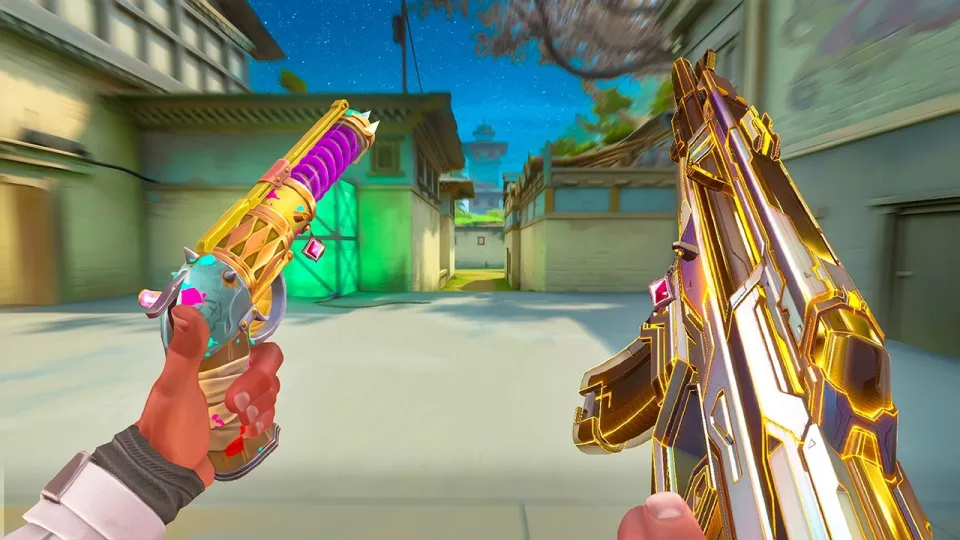
Video: low cortisol aim..
You can order the same kind of articles for your own video to boost it on YouTube and Google. Just message the Telegram bot @sat_sit_bot. Articles with your video embedded are written and posted by the bot itself — on popular topical sites (no ads). Free trial — 50 articles.
· based on the channel Rawzu
Key takeaways
- Low cortisol aim is a Valorant term for aim that stays calm and consistent under pressure rather than relying on fast flicks.
- Rawzu plays Phoenix, a duelist whose Blaze wall blocks vision and deals damage while Curveball blinds enemies around corners.
- Rawzu's sensitivity is 400 DPI at 0.625, with a 1440x1080 resolution and crosshair code 1-6-2-2.
- His gear: Logitech G Pro X Superlight 2 mouse, Artisan Zero Soft mousepad and Zowie XL2566K 360Hz monitor.
- Rawzu's clip mixes calm aim with movement and comedic moments, and viewers repeatedly ask for a full settings video.
Low cortisol aim in Valorant is a style of aiming built on staying calm and consistent instead of chasing fast, high-stress flicks. The phrase, popularized by clips like Rawzu's Phoenix gameplay, describes aim that looks relaxed even in tight duels, and the practical way to get there is a stable sensitivity, a repeatable crosshair, familiar hardware and a duelist kit that lets you control the fight. If you want the same low-latency environment the clip was recorded in, optimizing your PC for Valorant is the first step most players skip.
What low cortisol aim actually means in Valorant
Low cortisol aim is the opposite of panic aiming: the player keeps the crosshair at head level, makes small corrections and lets the enemy walk into the shot rather than swinging the mouse across the screen. In Valorant terms it means pre-aim, counter-strafe and micro-adjust, not raw flick speed. The label is mostly a joke about how unbothered the player looks, but the underlying habits are real and teachable.
Three things separate this style from ordinary aim clips:
- Crosshair placement does most of the work, so the mouse barely moves before the shot.
- Movement and aim are timed together, with a short stop before firing instead of shooting mid-swing.
- The player takes fights from angles where the enemy has to peek into a prepared crosshair.
That is why viewers describe the movement as the impressive part rather than the flicks. Calm aim is a byproduct of good positioning, not a separate talent.
How Rawzu's Phoenix setup supports a calm style
Rawzu's Phoenix play is built around abilities that remove the need for a fast reaction. Phoenix is an offensive duelist who hunts enemies while limiting their ability to fire back. Blaze creates a wall that blocks vision and deals damage, which lets Phoenix cross open, defended ground without walking into a held angle. Curveball blinds enemies even when they are hiding behind corners, so the first shot often comes against a player who cannot see.
Hot Hands adds self-healing damage over an area, and the Run it Back ultimate makes Phoenix durable enough to take a risky duel and come back if it goes wrong. Together these tools turn a fight into a scripted sequence: blind, wall, enter, trade. A duelist who controls vision and timing does not need to win a pure aim race, which is exactly why the gameplay reads as low cortisol.
Settings, crosshair and gear behind the clip
Rawzu publishes his full configuration, and every value is deliberately unremarkable rather than extreme. The settings below are the ones listed for the channel's Valorant clips:
- Sensitivity: 400 DPI at 0.625 in-game
- Resolution: 1440x1080 (a stretched 4:3 style resolution)
- Crosshair: 1-6-2-2
- Mouse: Logitech G Pro X Superlight 2
- Mousepad: Artisan Zero Soft
- Monitor: Zowie XL2566K at 360Hz
A low effective sensitivity gives more room for micro-adjustments and makes overshooting less likely, which fits the calm-aim idea. The stretched resolution widens player models, and a 360Hz panel reduces the delay between seeing and reacting. None of this creates calm aim on its own, but it removes the small frictions that push players into rushed shots.
Why the clip became a discussion about movement and comedy
The clip is not a pure highlight reel, and the comment section reacts to that. Viewers point out that the movement looks better than the aim, joke about the game looking like a different shooter entirely, and flag several moments where the audio or a line of dialogue catches them off guard while watching at full volume. Others ask how an enemy appeared in a position before them, which is the classic result of a player holding an angle the opponent did not expect.
The most repeated request is for another full settings video, and that tells you what the audience actually wants: reproducible numbers rather than vague advice. The takeaway for a Phoenix main is to record your own settings, keep them unchanged for a month and review clips to see whether your misses come from sensitivity or from positioning.
Common questions about calm aim and Phoenix
Players who try to copy this style usually run into the same few problems. The first is confusing calm aim with slow aim: the goal is not to react late, it is to arrive at the fight already aimed. The second is changing sensitivity after every bad session, which resets your muscle memory before it forms. The third is copying a pro resolution without checking whether your monitor and GPU can hold a stable frame rate at that aspect ratio.
A practical order of operations is: fix your sensitivity for at least a few weeks, set a crosshair you can see clearly on every map, then work on counter-strafing so your first bullet lands where the crosshair already sits. Only after that should you look at gear. A Superlight 2 and an Artisan Zero Soft are genuinely good, but they will not fix a player who swings wide before stopping.
Useful links
- PC optimization for Valorant: https://hone.gg/a/rawzu
- Rawzu's original music on Spotify: https://open.spotify.com/artist/6DbATPR1PTNMx7U918bg1Q
- Rawzu's Discord community: https://discord.gg/axnFwyvxp3
The takeaway
Low cortisol aim is a memorable name for a boring discipline: hold the crosshair where the enemy must appear, stop before you shoot and let abilities do the hard part. Rawzu's Phoenix footage shows that pattern clearly, and the published settings give you a starting point rather than a magic number. Copy the structure, not the exact sensitivity, and give it weeks instead of one session. If you want the hardware side handled first, grab the Valorant optimization from hone.gg and then spend your practice time on crosshair placement. The clip comes from the Rawzu channel, which is worth following for more calm-aim Phoenix gameplay and settings breakdowns.
Source: low cortisol aim.. · Markdown version
Questions & answers
Is low cortisol aim just a joke term?
It started as a joke about how relaxed a player looks during intense duels, but it describes real habits: pre-aiming, counter-strafing and taking fights from prepared angles. The calm appearance is the result of positioning, not of a special mouse or sensitivity.
Should I copy Rawzu's 400 DPI and 0.625 sensitivity?
It is a reasonable low-sensitivity starting point, but it is not universal. Try it for a few weeks without changing it, and judge by whether your misses come from overshooting or from bad crosshair placement. Switching values every session prevents muscle memory from forming.
Why does Phoenix suit a calm, controlled playstyle?
Blaze blocks vision and damages enemies, Curveball blinds players even behind corners, and Run it Back lets Phoenix take a risky duel and return. Those tools let you script the fight so the first shot lands on an enemy who cannot see you.
Do I need a 360Hz monitor to aim like this?
No. A high refresh rate reduces delay and makes tracking smoother, but crosshair placement and stopping before firing matter far more. A stable frame rate and consistent sensitivity will improve your aim before a monitor upgrade does.